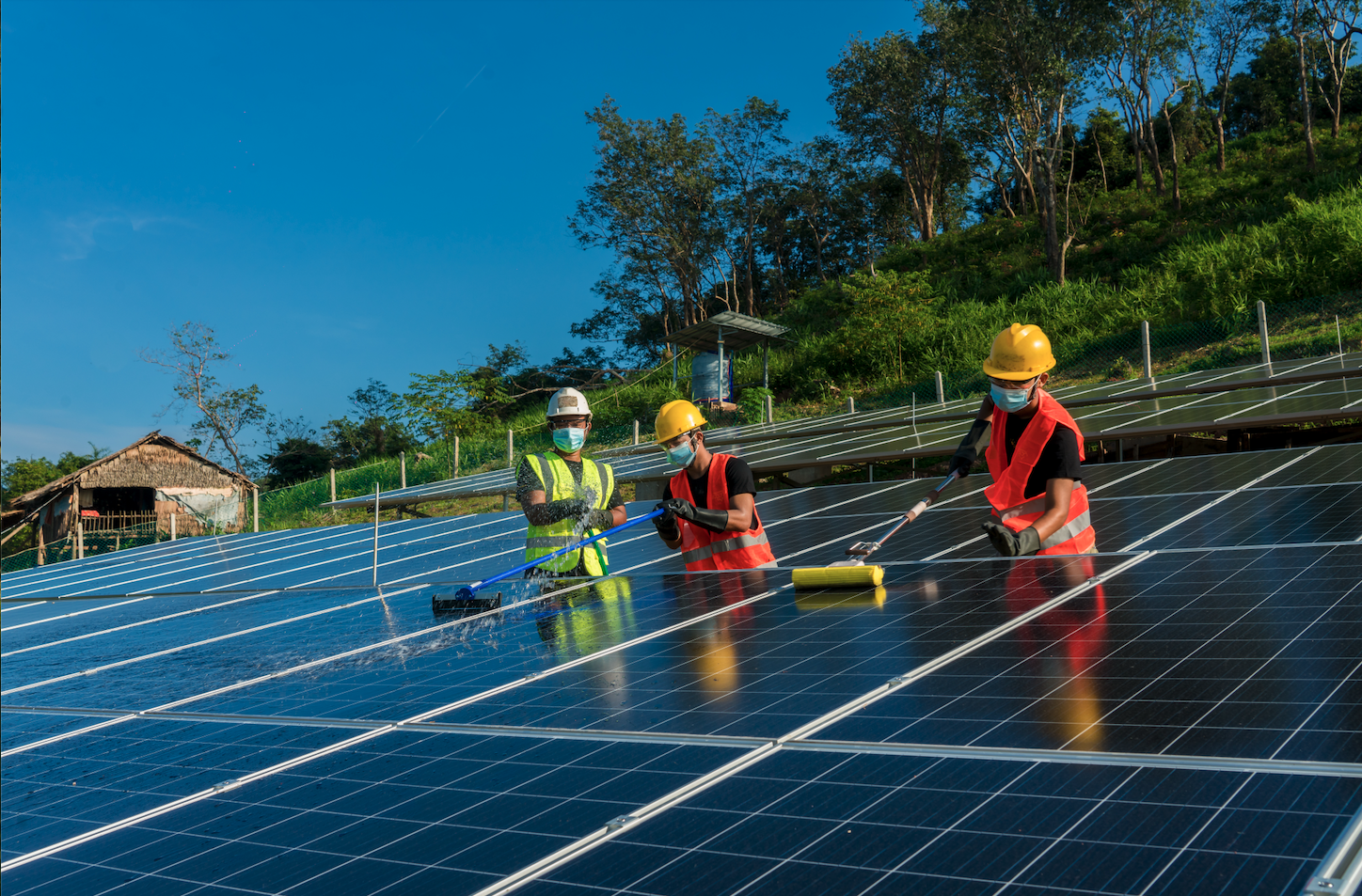
A just energy transition needs the people to deliver it.
In most of the places where distributed energy resources matters most, the workforce to install, operate, and sustain these systems is largely informal. Skilled, often, but uncredentialed, unconnected to employers, and outside the systems that would help the sector grow.
We work on that gap.
Mee Panyar is based in Myanmar and works on workforce development for the renewable energy sector, combining grassroots experience and on-the-ground delivery with systems-level thinking about what an actionable workforce model looks like in fragmented and emerging contexts.
Our Work
Our work brings together two practices that shape and reinforce each other. We build the workforce that distributed renewable energy needs, and we work with communities on the energy systems where that workforce gets applied. What we learn from each side shapes how we approach the other.
Workforce Development
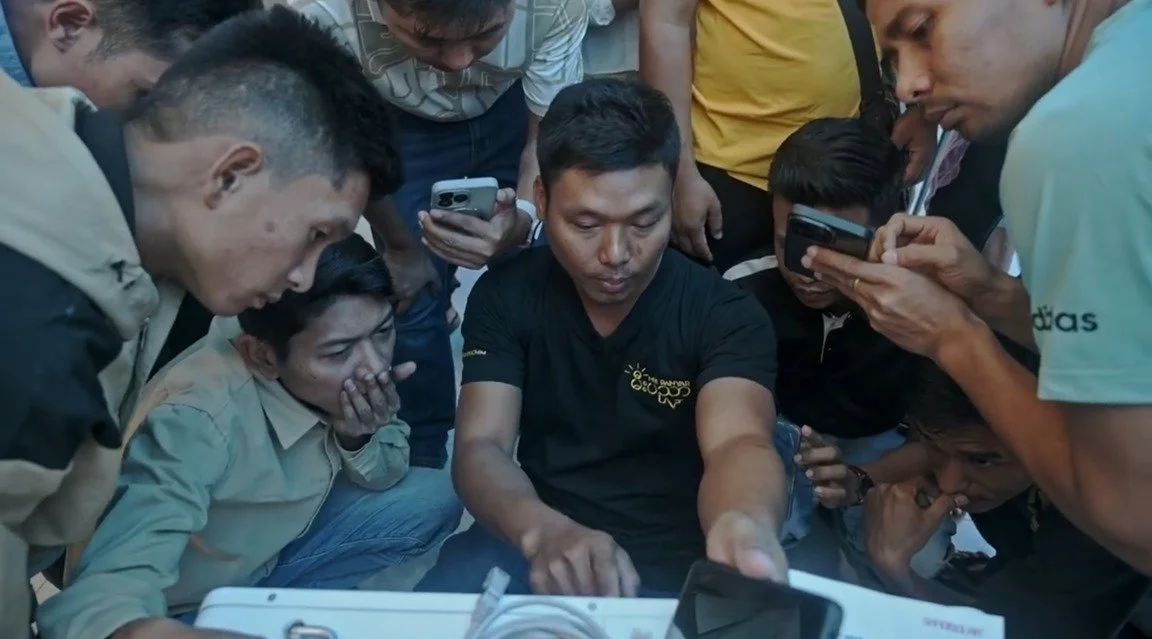
Our workforce development work is built on a simple idea: the people doing this work, the institutions that teach them, and the employers who hire them all need to be moving together. We design and test programs that build these connections.
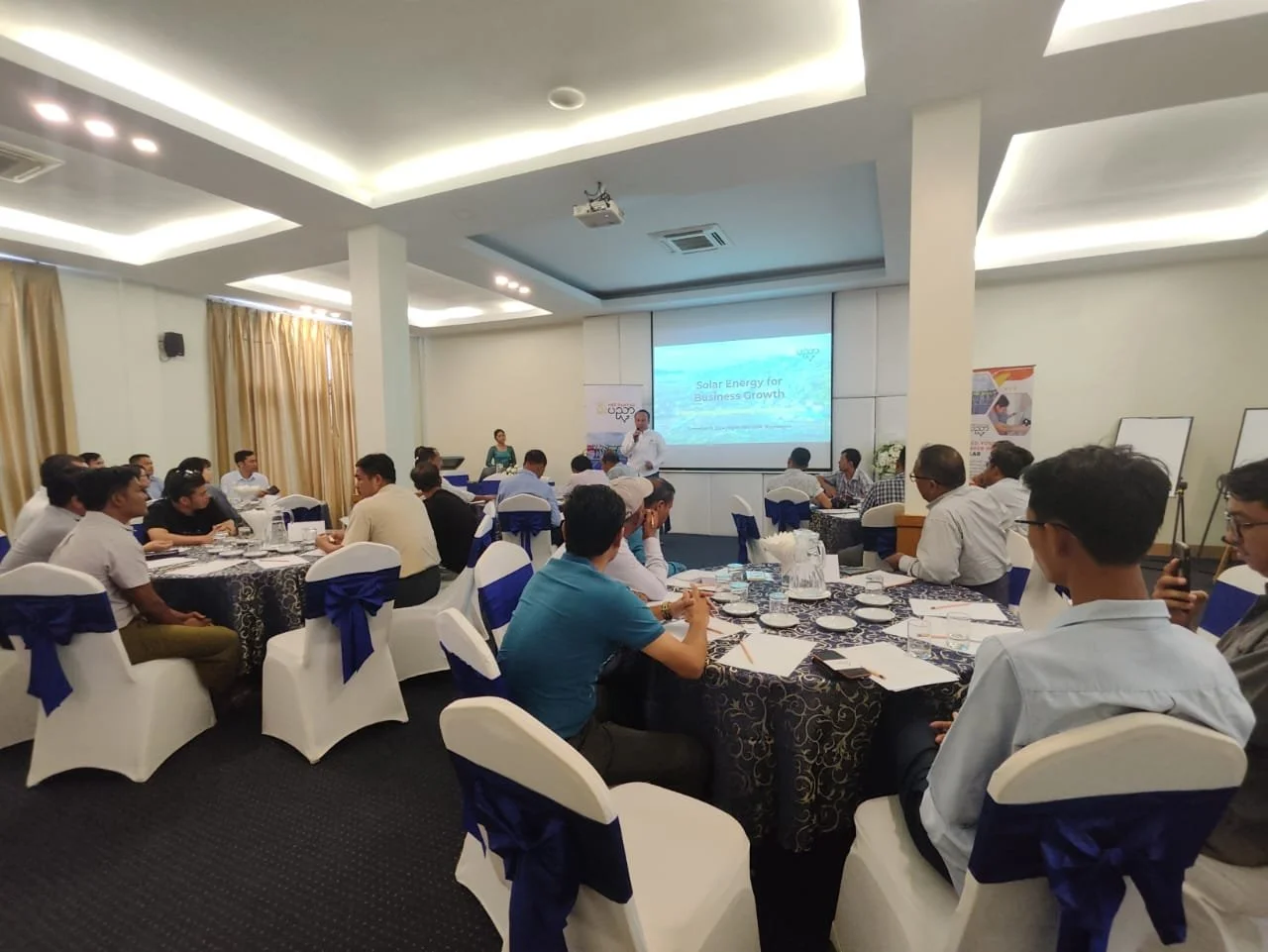
We work with TVET institutions in Myanmar to build their capacity to teach distributed renewable energy, covering pedagogy, program design, and the institutional structures that make long-term skilling viable. We engage closely with employers across the renewable energy sector to understand what they actually need and to connect trained workers to job opportunities. And we design and deliver our own training programs, including hands-on solar courses, that put our methodologies into practice and produce skilled technicians who go on to work across the sector.
Community Energy
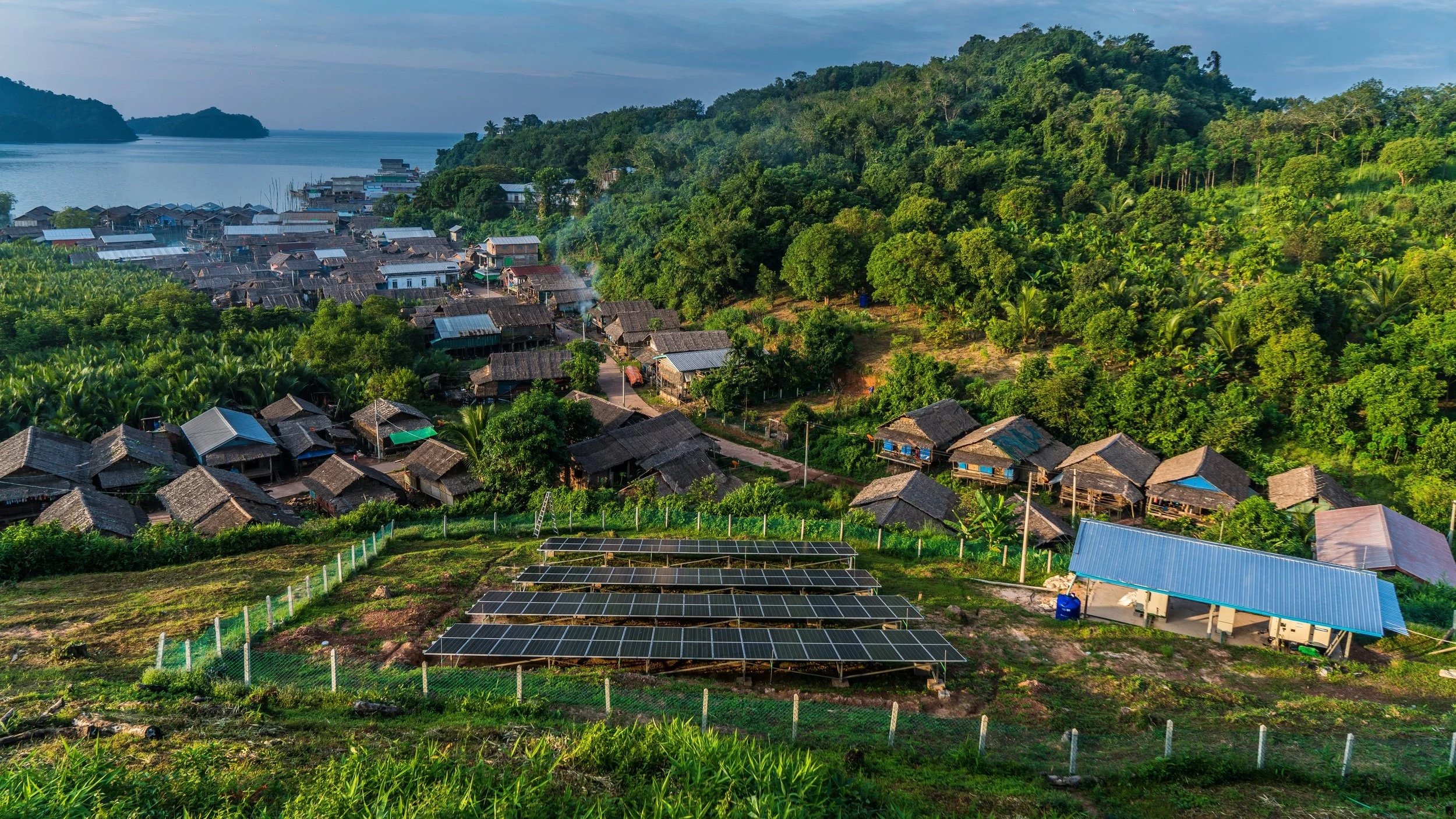
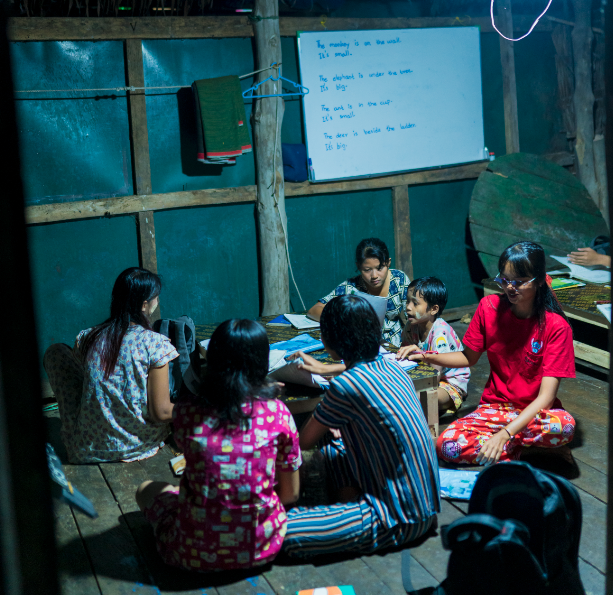
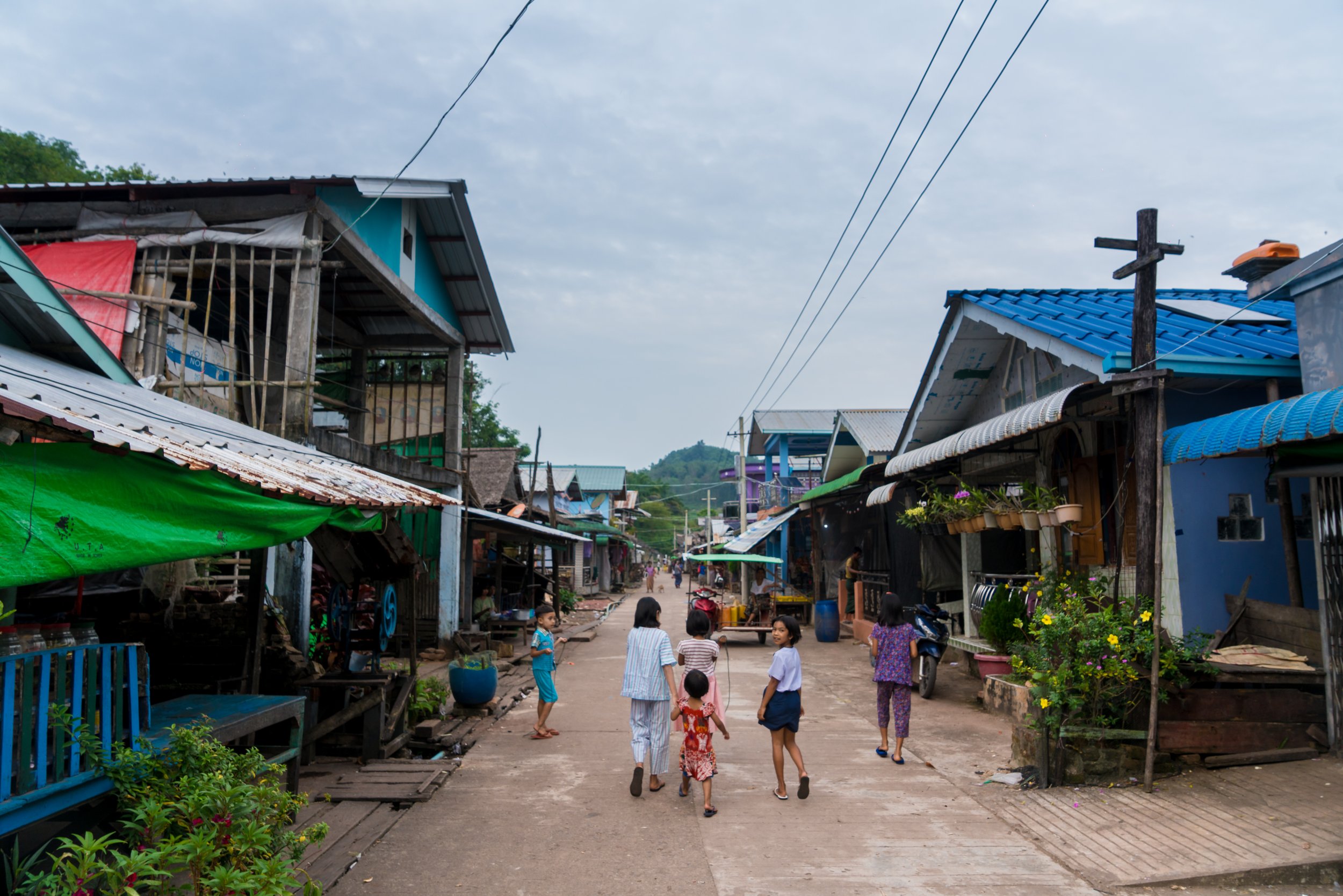
Our community energy work in Myanmar is where Mee Panyar started, and it remains one of the most important parts of what we do. We work with communities, cooperatives, and partners on the design and delivery of distributed renewable energy systems, focused on the conditions that let these systems last over time: community ownership, local technical capacity, and the practical realities of how energy is accessed, managed, and sustained. This work includes direct community projects, post-disaster recovery efforts in conflict-affected areas, and advisory and program design support for organizations working on related questions. It is also where our workforce develops in practice and where our methodology stays honest to the contexts it is designed for. The two practices grow together.
OUr approach
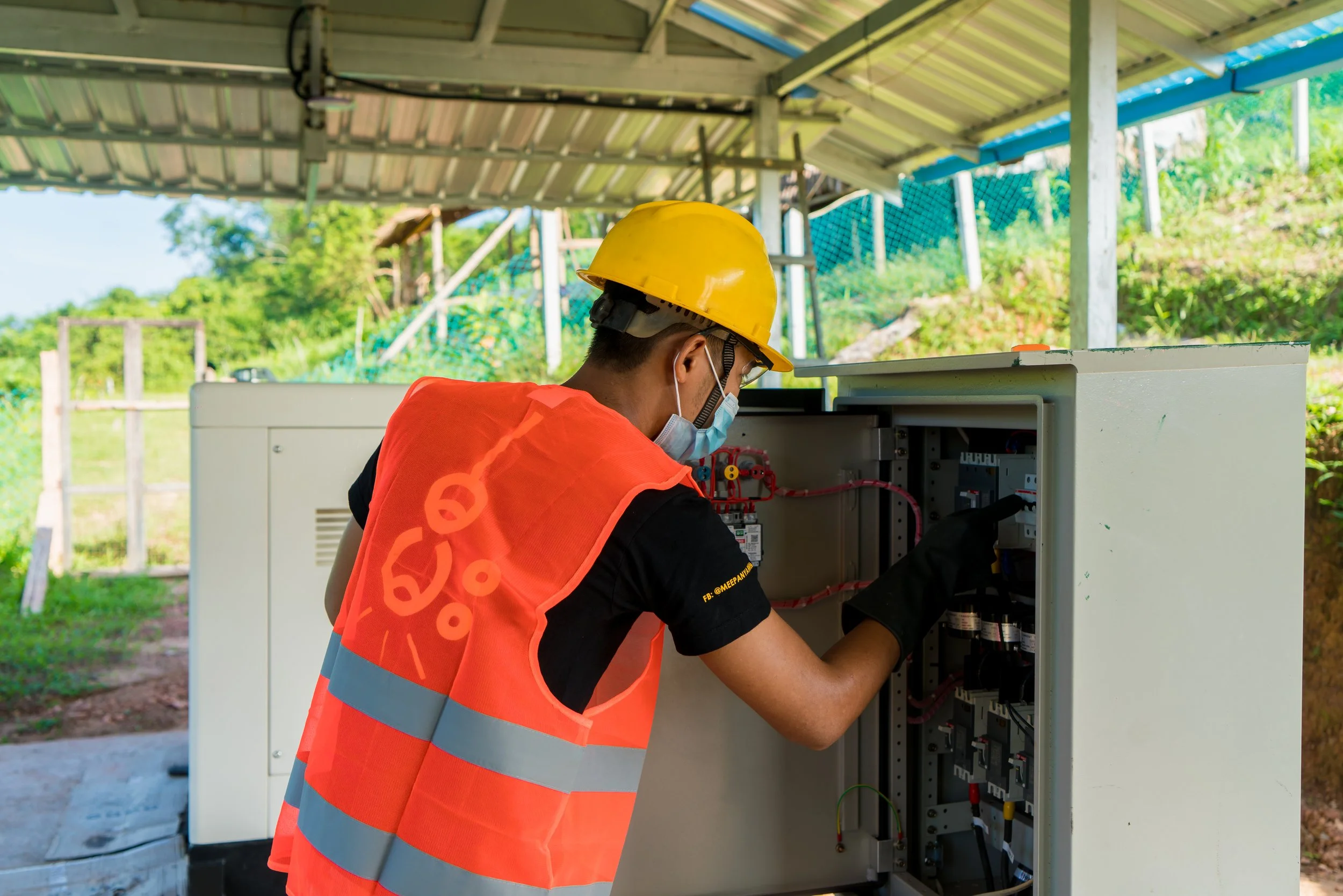
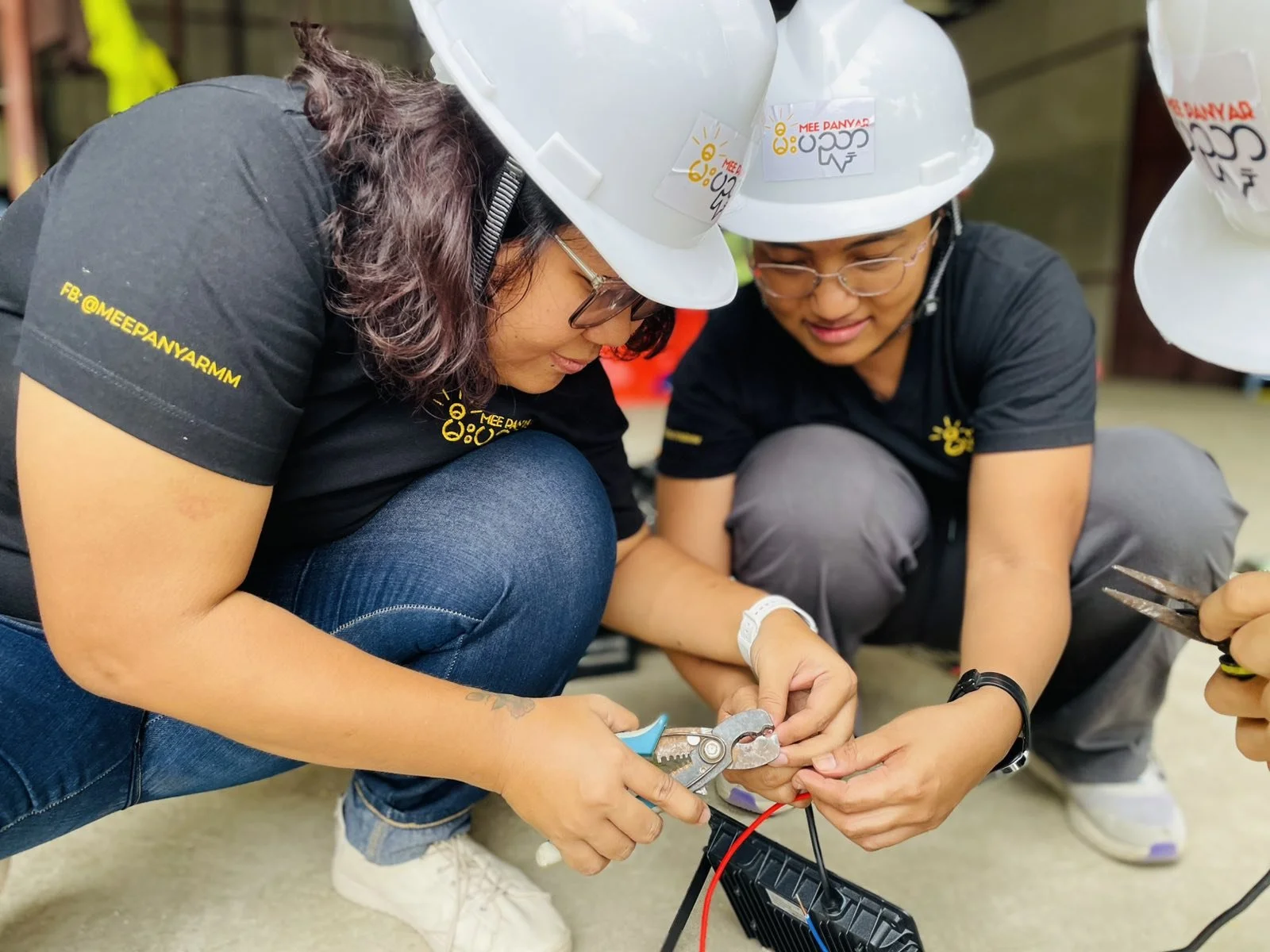
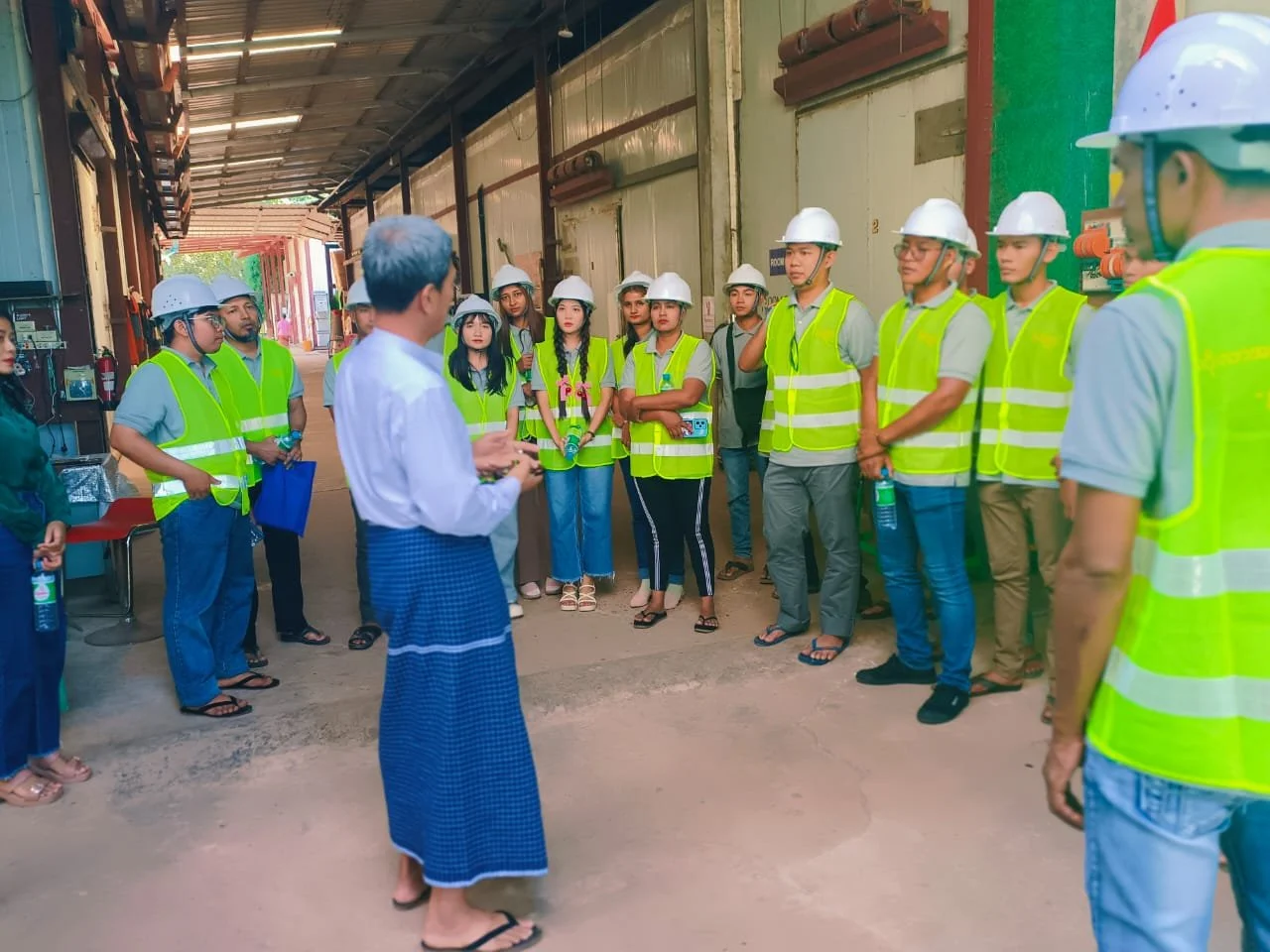
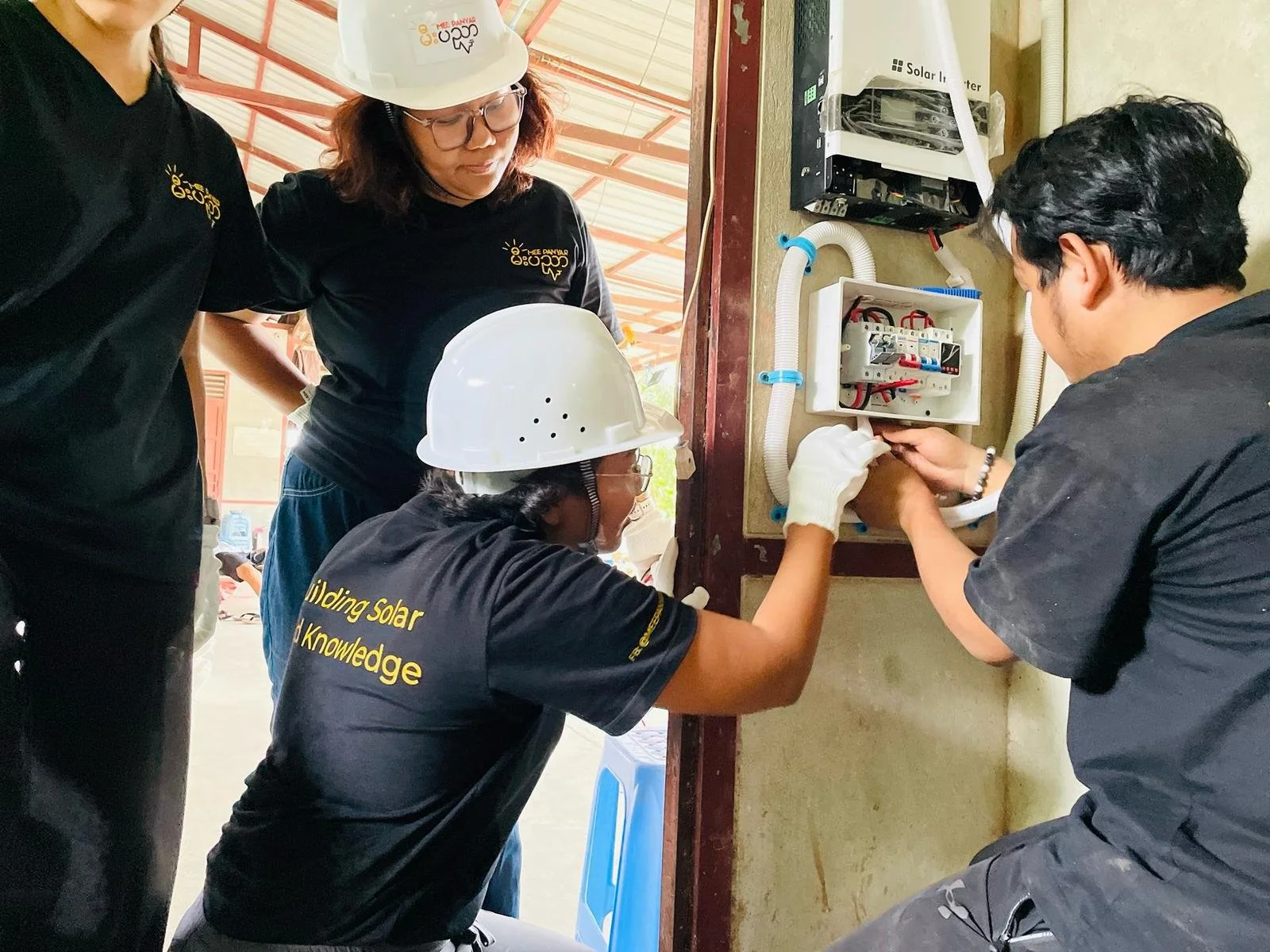
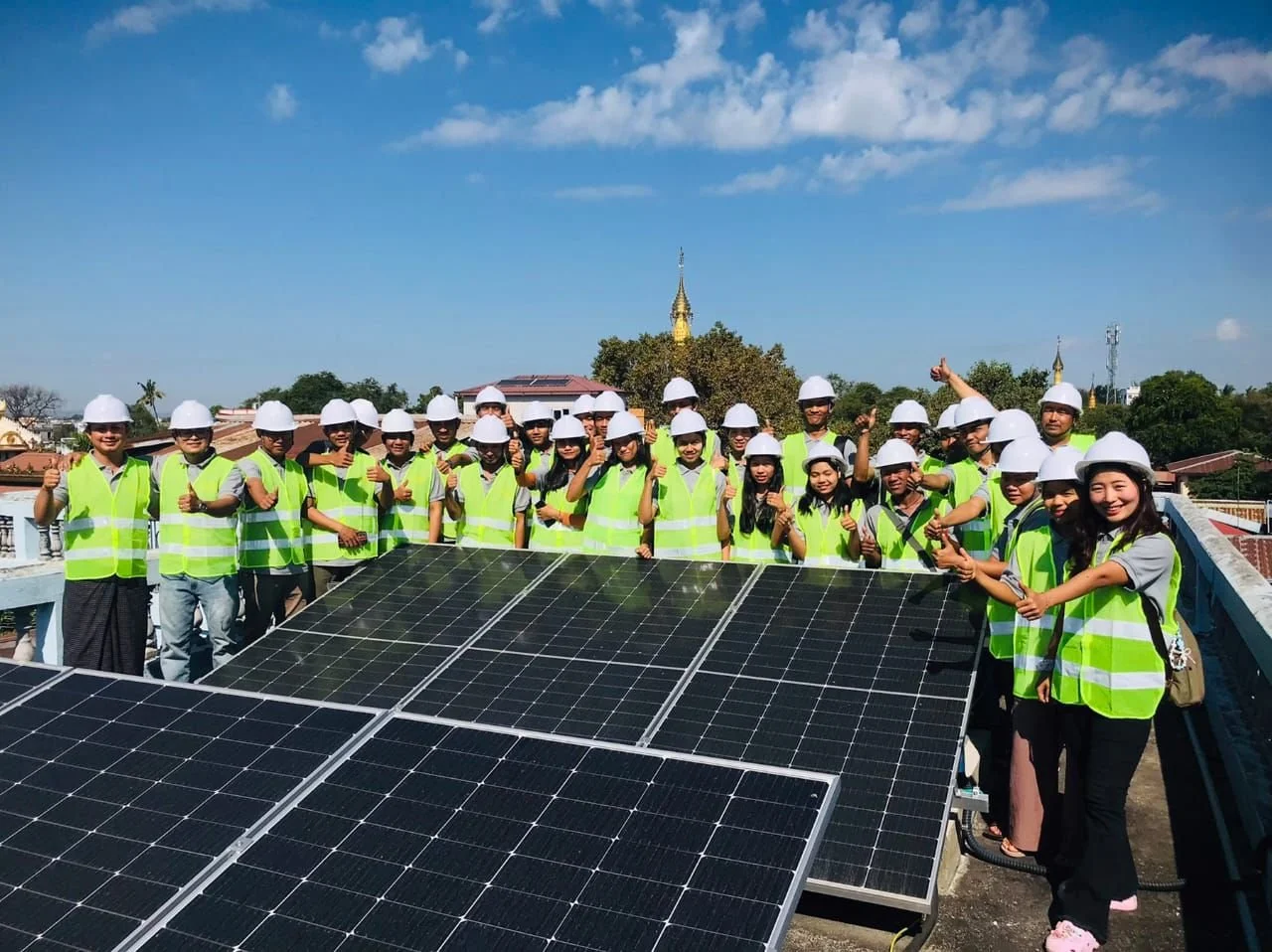
Our work treats workforce development as both a research question and a delivery problem. We study workforce dynamics in the renewable energy sector and apply sectoral workforce planning to identify the levers that drive quality and equitable access to distributed renewable energy. From there, we design and test programmes that match the conditions where the work actually happens.
Workforce development in the energy sector typically happens at the policy or education level, building qualification frameworks and skills strategies for use by formal institutions. We work at a different intersection, between the trained worker and the employer who needs them, where things can move at the pace the transition requires. Our approach combines on-the-ground delivery with systems-level programme design that lets the work scale beyond any single training cohort.
What grounds all of this is our community energy work. Mee Panyar came from this work and continues to do it, and that experience shapes how we understand the sector. Working directly with communities on their energy systems teaches us who actually does the work, how they came to it, what they need to do it well, and what makes these systems last. Community energy practice and workforce development are, for us, a single integrated practice in which each side shapes and strengthens the other.
our partners

WORK WITH US
If you are working on workforce development, distributed renewable energy, or related questions in fragmented and emerging markets, we would like to hear from you. We work with funders, sector partners, and regional collaborators.
If you are hiring solar technicians, we can connect you with trained graduates across our network of partner companies.